
"as well as extraction"
5000 article(s) found

How about hanging-ear coffee compared to instant coffee?
Jiaxiang Guide: hang earbags-who is a stranger to this magical and convenient coffee bag? This simple and convenient earbag is a favorite of coffee people when we travel, when we go to work, and when we relax. First of all, let's talk about instant coffee. Instant coffee is made from roasted coffee beans and ground at a certain temperature and pressure.

Why do you give an espresso a cup of water? what kind of cup should you use to drink it correctly?
Professional coffee knowledge exchange more coffee bean information please follow the coffee workshop (Wechat official account cafe_style) Espresso coffee extraction detailed steps of the common sense of Italian concentrate Espresso is strong taste of coffee if the use of Italian coffee machine, the method is extremely hot but not boiling

Effect of shallow, medium and deep roasting and grinding of coffee beans on the flavor of cold-extracted coffee
Professional coffee knowledge exchange more coffee bean information please pay attention to the coffee workshop (Wechat official account cafe_style) drink coffee brewed coffee, smell coffee, experience the bitterness and sweetness of coffee and coffee beans, there are many reasons that affect coffee flavor differences, such as the origin of coffee beans, the treatment after picking and the depth of roasting and other factors, you may not like coffee

Differences in extraction and nutrients between coffee and tea
Pu'er Tea [Photo: Vicky Wasik] the main difference between where I keep my tea set and where my coffee equipment is located is scale. My coffee cabinet is constantly filled with products-ceramic cones, various grinders, Danish immersed neoprene pans and so on. On the other hand, there are only three tea sets in my tea drawer-one glass jar with a filter, one
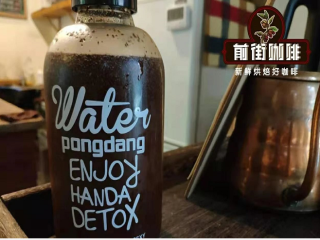
Can instant coffee be made into cold extracted coffee? What is cold coffee?
Can instant coffee be made into cold extracted coffee? First of all, let's understand what cold-extracted coffee is. Cold-extracted coffee is just like his name. Cold-extracted coffee is made by low-temperature water extraction. The process of making coffee is very long, usually takes 12-48 hours, and its principle is similar to that of cold-brewed tea.

Espresso | how to ensure a stable flow rate during the extraction of espresso is important
Have you ever tried to keep the extraction time of espresso consistent? Maybe you have checked the machine to make sure that the pressure and temperature are stable. Your powder is correct. And you have to tamp it carefully. However, no matter how much you follow these best practices, the extraction time will change. So what's the problem? Well, this may be your process consistency. The flow rate is concentrated.

Comparison of advantages and disadvantages of several models recommended and introduced by well-known bean grinders in Taiwan
Taiwan's well-known bean grinder recommends and introduces that you want to taste the best flavor of coffee immediately. The best way is to grind the coffee beans into coffee powder. As the coffee beans are ground into coffee powder, the aroma factor will slowly dissipate over time. So the best way to taste is to use it when you want to drink it. In order to drink to the fresh mill, we must have a bean grinder, which has many brands on the market.
Grasp the most important process of coffee extraction hand-brewed coffee extraction principle single coffee Chinese coffee
Steaming and pre-soaking are the first stage of the extraction of single hand-brewed coffee and esp. Whether steaming and pre-soaking are sufficient or not directly affects the taste of a cup of coffee. Although they are used in two types of coffee with different production processes, they have a very close relationship and common principles. Steaming and pre-steaming: steaming: refers to the production of hand-made coffee will be hot water light, soft, fast, uniform
Basic knowledge of coffee what kind of water should be used to make coffee
Just as water is important for making tea, it is also essential for extracting coffee. There are many kinds of water, which can be divided into: natural water, including spring water, river water, well water, lake water and Rain Water, which are generally not suitable for coffee extraction. Artificially treated water includes tap water, distilled water, purified water, ultra-pure water, softened water, etc., in which we make handmade utensils, such as siphon
How to choose coffee beans when making cold coffee? What kind of coffee beans are suitable for making cold coffee?
Some time ago, Qianjie shared an article on how to make cold extract coffee, and backstage, many friends began to ask how to choose beans. Well, let's analyze and answer this question with you today. As a low-temperature immersion extraction, with the extension of time, the types of acids will gradually decrease, so the cold-extracted acids
Coffee brewing standard what kind of water should be used to make coffee?
Just as water is important for making tea, it is also essential for extracting coffee. There are many kinds of water, which can be divided into: natural water, including spring water, river water, well water, lake water and Rain Water, which are generally not suitable for coffee extraction. Artificially treated water includes tap water, distilled water, purified water, ultra-pure water, softened water, etc., in which we make handmade utensils, such as siphon
Coffee extraction is the most important process of brewing coffee, the role of steaming and preleaching in extraction and
Steaming and pre-soaking are the first stage of the extraction of single hand-brewed coffee and esp. Whether steaming and pre-soaking are sufficient or not directly affects the taste of a cup of coffee. Although they are used in two types of coffee with different production processes, they have a very close relationship and common principles. Steaming and pre-steaming: steaming: refers to the production of hand-made coffee will be hot water light, soft, fast, uniform

Is the quality of coffee beans more important or the machine more important?
Is the quality of coffee beans more important or the machine more important? when extracting such a large number of coffee particles, the influence of uniformity on the product is crucial. What is extraction? The definition of extraction itself refers to a process of material exchange between coffee powder and water, putting aside the fact that we often say that coffee cannot be made well if the powder is not evenly ground, and from a more macroscopic point of view.

How to control the flow of hand-brewed coffee? What are the common mistakes?
When I first came into contact with the hand flush, I didn't quite understand why it was necessary to control the current. The so-called hand flush means directly holding a pot and pouring the water onto the coffee powder. I don't know what big current and small current mean at all, and when I inject water, I don't control the flow as well as others, but suddenly.

Do you know that your hand flushing method is correct? What matters should be paid attention to by hand?
Professional coffee knowledge exchange more coffee bean information please follow the coffee workshop (Wechat official account cafe_style) is your hand brewing method correct? I believe that many coffee lovers like to brew coffee by hand, on the one hand, they can experience the fun of brewing coffee, on the other hand, they can enjoy a cup of coffee with individual flavor, but do you know that your hand brewing method is correct? The corner of the street is also a lover of hand flushing.

Insufficient coffee extraction? Excessive extraction? How to know by tasting? How do you judge?
Professional coffee knowledge exchange more coffee bean information please pay attention to the coffee workshop (Wechat official account cafe_style) lack of coffee extraction? Excessive extraction? How to know by tasting? How do you judge? This article will be linked by the basic theory of coffee extraction and the tasting of coffee in three cases: over-extraction, under-extraction and ideal extraction. The extraction can be said to be in the brewing of coffee.
Boutique Coffee Common sense what kind of water should be used to make coffee
Just as water is important for making tea, it is also essential for extracting coffee. There are many kinds of water, which can be divided into: natural water, including spring water, river water, well water, lake water and Rain Water, which are generally not suitable for coffee extraction. Artificially treated water includes tap water, distilled water, purified water, ultra-pure water, softened water, etc., in which we make handmade utensils, such as siphon

The difference between coffee grinder and bean grinder-recommendation of electric coffee grinder
The difference between good and bad coffee grinders-Electric coffee grinders recommend that when extracting such a large number of coffee particles, the effect of uniformity on the product is crucial. What is extraction? The definition of extraction itself refers to the process of material exchange between coffee powder and water, putting aside the fact that we often say that if the grinding is not uniform, we cannot make coffee well, and understand a cup from a more macro point of view.
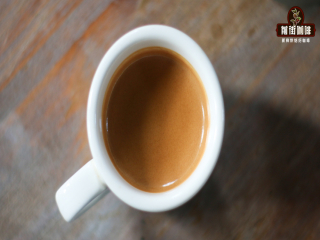
What kind of coffee beans should I use for espresso? What are the factors that affect the taste characteristics of ESPRESSO?
Communication of professional baristas Please follow the production of Espresso in coffee workshop (Wechat official account cafe_style) is an art that requires precision and patience. Maybe it's because there are so many factors that affect the production of Espresso, so when we use our brains and emotions
Basic knowledge of boutique coffee what kind of water should be used to make coffee
Just as water is important for making tea, it is also essential for extracting coffee. There are many kinds of water, which can be divided into: natural water, including spring water, river water, well water, lake water and Rain Water, which are generally not suitable for coffee extraction. Artificially treated water includes tap water, distilled water, purified water, ultra-pure water, softened water, etc., in which we make handmade utensils, such as siphon